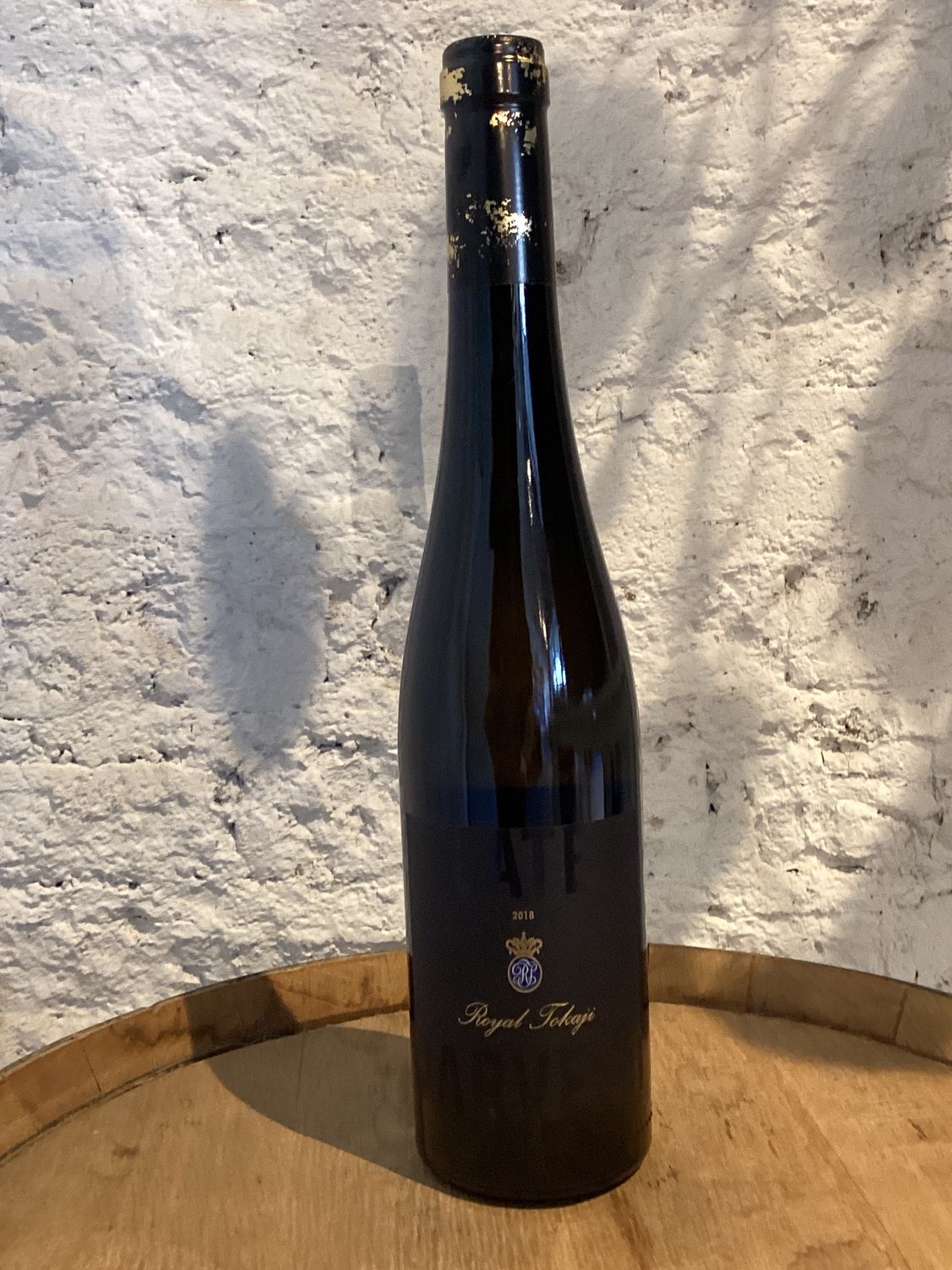
Taste: Pale gold color with delicate citrus and spicy aromas. Light and refreshing on the palate with hints of white peach and honey. It has an excellent acid balance, a smooth, silky texture.
In stock: 6 available
Product Details
Style: Late Harvest Sweet Wine
Producer: Royal Tokaji
Grapes: Furmint, Hárslevelű, Yellow Muscat, and Kabar
Where: Tokaj
Country: Hungary
Critic tasting note: "This golden-colored late-harvest wine from Tokaj has aromas of honeycomb and white flowers, especially jasmine and freesia. In the mouth, it has nice fruit sweetness and flavors of clover honey, ripe apricot and yellow peach. Jeff Jenssen" - Wine Enthusiast
Vibes with: Delicious on its own, as an aperitif, or with spicy cuisine such as Thai, fresh fruits, or any fruit-based dessert.
Serve cool.
.
About the Wine: After a cold winter, temperatures rose rapidly in April and May, stimulating vigorous growth in the vines. Flowering was successfully completed by the end of May setting an advanced pace that continued throughout the long, hot, parched summer. Harvest was the earliest in living memory and probably the earliest ever, providing good volumes of healthy, ripe grapes with firm acidity and excellent quality. The warm, dry autumn was more conducive to drying the grapes than to botrytis, but nevertheless we managed to pick a very satisfactory amount of fine quality Aszú berries, a generous proportion of which are included in this blend. Overall, a record- The grapes were harvested in October and at the beginning of November. After pressing, the settled juice was fermented in tanks and then the majority of the blend was transferred to barrels for five to six months ageing.
.
Royal Tokaji was founded in 1990 by well-known author Hugh Johnson and a small group of investors who were inspired to restore and preserve Hungary’s precious wine legacy after the fall of Communism. Tokaji is the world’s original sweet white wine – the 'cult wine' of the 18th and 19th centuries – and the Tokaj wine region was the first to have classified vineyards.
.
The first Tokaji aszú wine was created in the 1600s perhaps by accident — a harvest delayed by threat of enemy invasion. In 1700, Tokaj became the first European region to have its vineyards classified — its uniquely varied terroirs and climates rated “primae classis, secundae classis, tertius classis,” or “first growth, second growth, third growth,” by Prince Rakoczi II of Transylvania. This classification system is still used in Hungary today.
Quality production ended with the Communist Party takeover of Hungarian winemaking. Aszú grapes were used for mass production in factories, with vineyard distinctions lost in giant tanks. Tokaj’s renaissance began after the collapse of communism with the establishment of Royal Tokaji in 1990 by well-known author Hugh Johnson and a small group of investors, who were inspired to restore and preserve Hungary’s precious wine legacy.
Situated along the southern slopes of the Zemplén Mountains, Tokaj is characterized by late springs and short growing seasons. The average temperatures are generally cool, with long, sunny summers and dry autumns. Tokaj’s soil is largely clay or loess with a volcanic substratum.
The meeting of the Tisza and Bodrog Rivers in Tokaj creates a mist similar to that of the fog in Sauternes. The mist encourages botrytis cinerea, or noble rot, which dries and shrivels the grapes that comprise Tokaji wines and concentrates the sugars. Grapes that are infected with botrytis are commonly referred to by the Hungarian term aszú.
By law, only white grape varieties are allowed to be planted in Tokaj. There are three primary grapes grown here and used by Royal Tokaji: Furmint (FOOR’-mint): 70 percent of the regions plantings; high levels of tartaric acid, thin skin susceptible to botrytis Hárslevelü (HARSH’-leh-veh-LOO’): 20 percent of the plantings; less susceptible to botrytis, but rich in sugar and aromas; “Hárslevelü” translates to “linden leaf” Muscat de Lunel: 10 percent of the plantings; the most difficult grape to grow, but an important blending grape.
The methods and traditions of producing Tokaji wines have changed little since the 17th century when aszú berries were individually harvested from bunches and collected in 20-liter (55-pound) wooden tubs called puttonyos or hods. The number of puttonyos added to each barrel of base wine made from grapes unaffected by botrytis determined the puttonyos level of the wine. On a scale of one to six, the more puttonyos the sweeter, richer and rarer the Tokaji. Today, a wine’s puttonyos level is determined by the amount of residual sugar in the finished wine, thus the key factor in the production of Tokaji Aszú wines is the proportion of aszú berries to base wine.
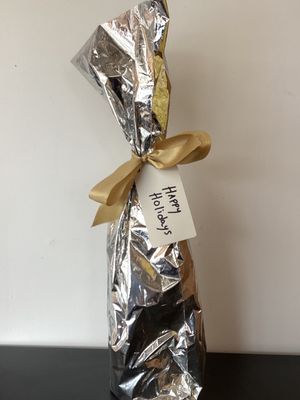
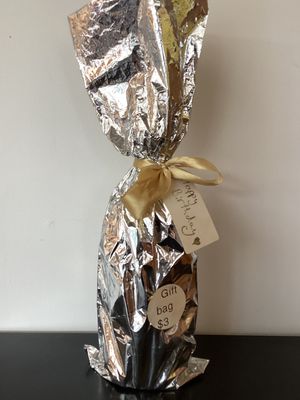
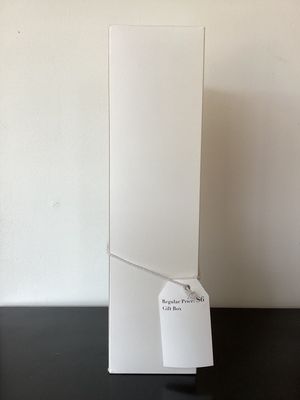
Add this gift box to your purchase and let us know in the delivery notes what you would like a short message to be. This is a white box with a little shine that fits most bottles of wine and spirits.